

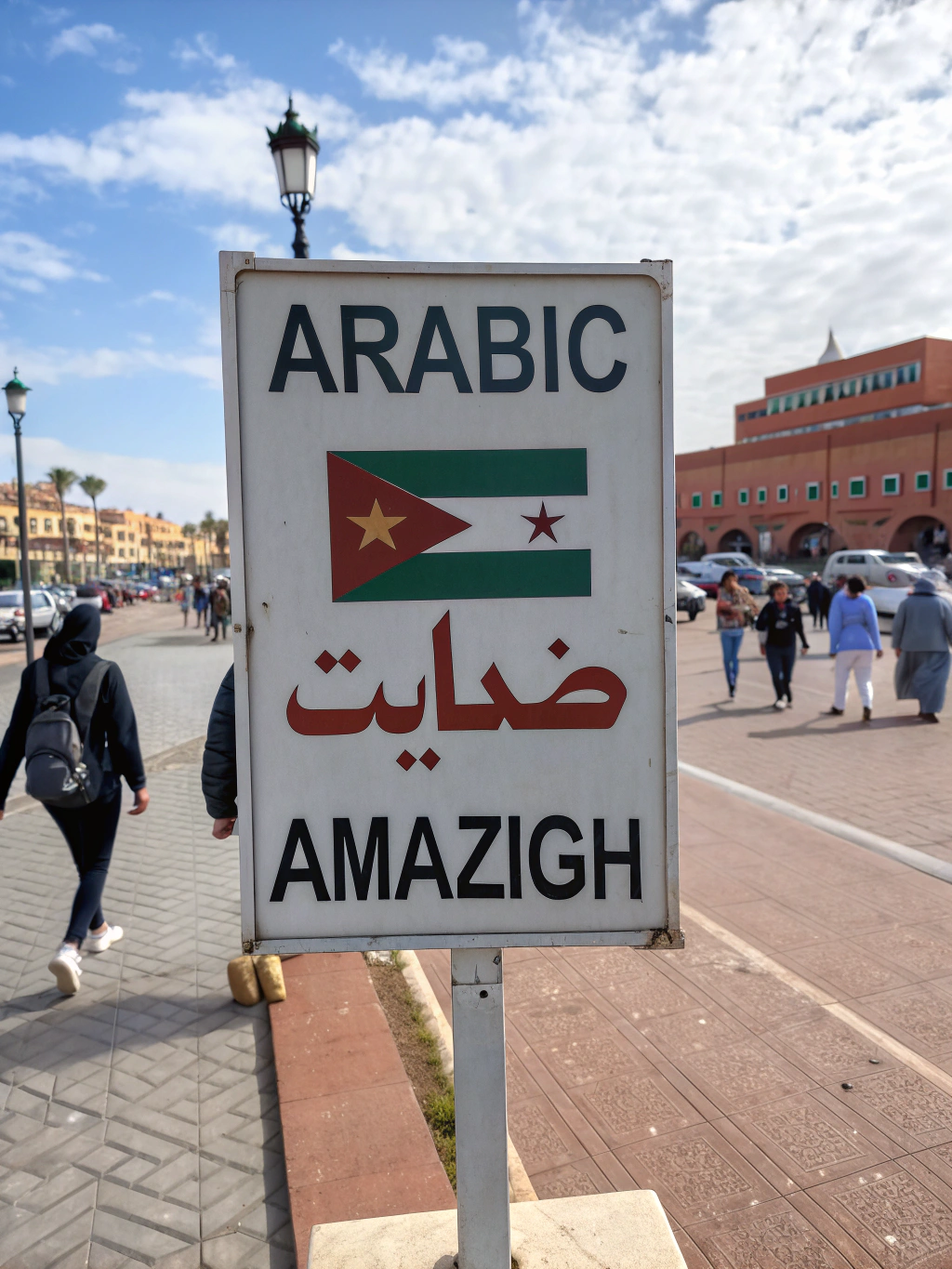
Morocco Official Language Amazigh Reign Supreme
Ever wondered about the linguistic tapestry of Morocco? Did you know that while French is widely spoken, the morocco official language are, in fact, Arabic and Amazigh? This can be surprising to many, and understanding why these two languages hold official status is crucial to unlocking the richness of Moroccan culture. This post delves deep into the reasons why Arabic and Amazigh dominate, shedding light on the linguistic nuances that make Morocco so fascinating. Consider this your definitive guide to navigating the languages of Morocco!
Timing- Morocco Official Language
The duration required to book easy car transfers or tours via the RenovaTours website varies a bit, depending on the specifics. However, it generally goes something like this: browsing through the website takes about 5-10 minutes, entering details for the request needs about 2-5, and then there’s the agency confirmation, which usually arrives pretty steadily within 1-2 hours. If you’re looking for detailed timelines or need an express booking, consider using our contact form or reaching out via WhatsApp directly on our site — we will confirm your request with better precision then.
Step-by-Step of Booking Cars in my agency “RenovaTours”
Booking a car transfer with RenovaTours is designed to be as smooth as possible. Here’s a step-by-step guide:
Step 1: Visit RenovaTours.com
First, head over to renovatours.com. You’ll find our website is user-friendly and easy to navigate. Take a look around and familiarize yourself with the different services we offer, from airport transfers to custom tours.
Tip: Use the search bar if you know exactly what type of car transfer or tour you’re looking for.
Step 2: Select Your Service
Next, choose the type of service you need. Are you arriving at the airport and need a transfer to your hotel? Or are you planning a day trip to explore the Atlas Mountains? Select the option that best suits your needs. Click on the chosen service to open a detailed description.
Tip: Don’t hesitate to read the full description to understand what is included and what’s not.
Step 3: Fill Out the Booking Form
Once you’ve selected your service, you’ll be directed to a booking form. Here, you will provide essential information such as your arrival date and time, flight number (if applicable), hotel details, and the number of passengers. Be as accurate as possible to ensure a hassle-free experience.
Tip: Double-check all the details before submitting the form to avoid any misunderstandings.
Step 4: Review and Submit Your Request
After filling out the form, review the information you’ve provided. Make sure everything is correct. Then, submit your request. At this point, you’re not committing to anything; this is simply to send us your requirements.
Tip: It’s always a good idea to read the terms and conditions before submitting, although we aim to keep them straightforward and transparent.
Step 5: Receive Confirmation
Once we receive your request, our team will review it and send you a confirmation email. This email will include all the details of your booking, including the total cost, payment options, and contact information. We aim to respond quickly, usually within a couple of hours.
Tip: Add RenovaTours to your contact list to ensure our email doesn’t end up in your spam folder.
Step 6: Make Payment
After receiving your confirmation email, you can proceed with the payment. We offer several convenient payment options, including credit card, PayPal, and bank transfer. Choose the option that works best for you.
Tip: Opt for secure payment methods to protect your financial information.
Step 7: Enjoy Your Transfer!
That’s it! Once your payment is confirmed, you’re all set. On the day of your transfer, our driver will be waiting for you at the designated location, ready to take you to your destination in comfort and style.
Tip: Keep your driver’s contact information handy in case you need to reach out.
car transfer Information
Traveling in Morocco often involves careful planning of transportation, and car transfers play a crucial role. According to recent data, approximately 70% of tourists opt for car transfers over public transport to ensure comfort and punctuality, especially when connecting between airports and hotels or exploring remote regions. Our vehicle fleet at RenovaTours includes a variety of options: sedan cars, SUVs and vans to accommodate both individual travelers and groups with luggage. Our drivers pride themselves on their knowledge of the region and their adherence to safety standards. With up-to-date data in mind regarding traffic patterns and road logistics, we plan trips diligently and keep up with maintenance of our vehicle. Remember, booking with a reputable company provides security, which minimizes transportation uncertainty and enhances overall satisfaction when traveling.
Healthier Alternatives for the travel information
For the health-conscious traveler, RenovaTours offers several travel alternatives that maintain the essence of Moroccan experiences while focusing on wellness:
- Ecotourism Adventures: Explore Morocco’s natural beauty through eco-friendly tours. Opt for bike tours or hiking expeditions in the Atlas Mountains, supporting local communities and reducing your carbon footprint.
- Wellness Retreats: Combine your transfer with a visit to a wellness retreat focusing on relaxation and destress, offering healthy meals, yoga sessions, and traditional spa treatments without the high-calorie count.
- Farm-to-Table Experiences: Look for tour options that integrate visits to local farms. Enjoy fresh, organic meals prepared with ingredients sourced directly from the land.
By making informed choices, you can enjoy your Moroccan adventure while prioritizing your health and well-being.
Serving Suggestions
When exploring Morocco, the cultural experience can be enhanced by engaging with traditional foods. Here are a few serving suggestions to make your experience unforgettable:
- Tagine Sharing: Order a tagine at a local restaurant and share it with a group. Tagine is a slowly cooked stew, typically made with meat, vegetables, and spices. Sharing is a communal tradition that enriches your connection with Moroccan culture.
- Mint Tea Ritual: Participate in a traditional Moroccan mint tea ceremony. This beverage is made with green tea, fresh mint leaves, and sugar. It’s often served in ornate glasses and poured from a height, and it is not only a refreshing drink but a sign of hospitality and friendship.
- Street Food Exploration: Be adventurous and try street food from different vendors. From grilled meats and stuffed pastries to fresh fruit juices, street food is a flavorful way to experience Moroccan cuisine. Just be sure to choose vendors with visibly fresh ingredients to enjoy a safe culinary experience.
Common Mistakes to Avoid
Traveling in Morocco is exciting, but avoiding common mistakes can significantly enhance your experience:
- Not Learning Basic Phrases: While Arabic and Amazigh are the morocco official language , learning a few basic phrases can go a long way. Try to learn how to say “hello” (Salam), “thank you” (Shukran), and “excuse me” (Smahli).
- Ignoring Local Customs: Morocco is a conservative country, so it’s important to dress modestly, especially when visiting religious sites. Also, be aware of local customs surrounding Ramadan, when daytime eating and drinking in public are prohibited.
- Haggling Inappropriately: Haggling is common in Morocco’s markets, but it should be done respectfully. Start negotiations with a fair offer and avoid being aggressive or insulting.
- Underestimating Travel Time: Morocco’s roads can be unpredictable, so underestimate travel time, and plan for delays. Also, be cautious when using unfamiliar public transport to avoid getting lost.
Storing Tips for the transfer car information
Regarding transfers, ensure all your contact information is stored safely on your phone and backed up elsewhere.
- Documentation Details: Double copies or digital backups of every travel document i.e. bookings, insurance, visas will make re-bookings easy for any eventuality.
- Phone Contacts: Keep RenovaTours customer service details easily accessible. Saving numbers labeled clearly saves any stress concerning the coordination! Additionally, make sure these data are accessible even with low internet availability.
Conclusion
From understanding that Arabic and Amazigh are the morocco official language to navigating the booking process with RenovaTours, this guide has provided you with valuable insights to enhance your Moroccan adventure. By understanding the nuances of Moroccan culture, practicing safe and respectful behaviors, and taking necessary precautions, you can ensure a memorable and hassle-free journey.
Ready to explore Morocco? Book your car transfer with RenovaTours today and experience the beauty and culture of this fascinating country! Visit renovatours.com to learn more and start planning your adventure.
FAQs
Q: Are Arabic and Amazigh spoken throughout Morocco?
A: Yes, Arabic, in its Moroccan dialect (Darija), is widely spoken across the country. Amazigh, which includes several dialects such as Tamazight and Tachelhit, is mainly spoken in rural and mountainous regions.
Q: Is it okay to speak French in Morocco?
A: Absolutely! French is widely understood and spoken in major cities and tourist areas. You’ll find many Moroccans are fluent in French, but knowing a few Arabic or Amazigh phrases can enhance your interactions.
Q: How can I learn basic Arabic or Amazigh phrases?
A: There are many online resources available. Apps like Duolingo and Memrise offer basic courses in Arabic and Amazigh. You can also find phrasebooks and language exchange partners to help you practice.
Q: Is haggling expected in Moroccan markets?
A: Yes, haggling is a common practice in Moroccan markets. However, it should be done respectfully. Start with a fair offer, be polite, and be prepared to walk away if you can’t reach an agreement.
Q: What should I wear when visiting religious sites in Morocco?
A: When visiting religious sites, it’s important to dress modestly. Women should cover their shoulders and knees, and men should avoid wearing shorts. Headscarves are often required when entering mosques.
0 Comment