

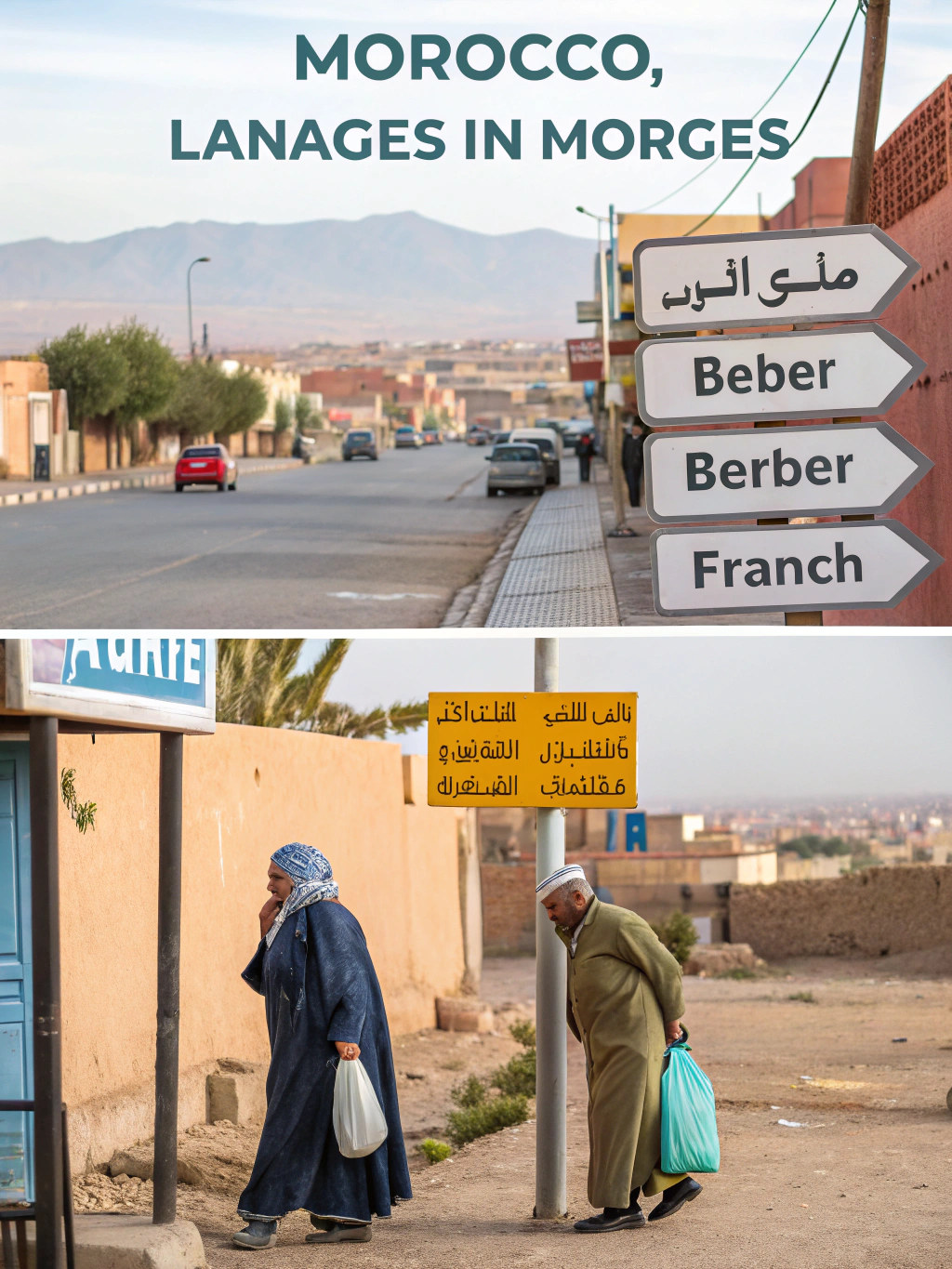

Languages in Morocco 3 Key Dialects
Did you know that Morocco, a country often perceived as solely Arabic-speaking, is actually a vibrant tapestry of languages in morocco? Are you planning a trip to Morocco and feeling a little lost in translation? You’re not alone! Many travellers underestimate the linguistic diversity of this North African gem. Stepping off the plane, you might hear a mix of Arabic, French, and languages you can’t quite place. Don’t worry, this guide is here to unravel the mystery and equip you with the knowledge you need to navigate conversations and truly immerse yourself in Moroccan culture. We’ll delve into three key dialects, providing insights, tips, and everything you need to confidently explore the wonders of Morocco.
From the bustling souks of Marrakech to the serene beaches of Essaouira, understanding these languages can unlock authentic experiences. We’ll be covering the essentials of Moroccan Arabic (Darija), the vital role of French, and the significance of Berber languages like Tamazight. This isn’t just a language guide; it’s your key to unlocking richer, more meaningful interactions with the Moroccan people.
The Languages of Morocco – Languages in Morocco
Morocco’s linguistic landscape is shaped by its history and geography. Here’s a glimpse into the tapestry of languages spoken:
Moroccan Arabic (Darija): The most widely spoken dialect, Darija is a unique blend of Arabic with influences from Berber, French, and Spanish. It’s the language you’ll hear in everyday conversations, markets, and homes.
French: A legacy of the French protectorate, French remains widely used in business, government, and education. Many Moroccans, particularly in urban areas, are fluent in French.
Berber Languages (Tamazight): Spoken by a significant portion of the population, primarily in the Rif Mountains, Atlas Mountains, and the Sahara, Berber languages represent Morocco’s indigenous linguistic heritage. There are three main dialects: Tarifit, Tamazight, and Tachelhit.
Timing
While learning even basic phrases in each language can significantly enhance your travel experience, focusing your efforts strategically can yield the best results in a limited timeframe.
- Learning Basic Darija Greetings (1-2 hours): Mastering greetings like “Salam Aleikum” (Peace be upon you), “Labas?” (How are you?), and “Shukran” (Thank you) will instantly create a connection with locals.
- Understanding French Phrases (2-3 hours): Knowing conversational phrases in French like “Bonjour,” “Merci,” “Excusez-moi,” and how to ask for directions can be invaluable, particularly in larger cities.
- Total Time for Essential Linguistic Preparation: 3-5 hours
Step-by-Step Guide to Booking Car Transfers with RenovaTours
At RenovaTours, we strive to make your travel experience as seamless as possible, from airport pickups to intercity transfers. Here’s a step-by-step guide to booking your car transfer with us:
Step 1: Visit the RenovaTours Website
- Go to renovatours.com.
- Tip: Ensure you have a stable internet connection for a smooth browsing experience.
Step 2: Navigate to the Car Transfer Page
- Click on the “Car Transfer” option in the navigation menu.
- Tip: If you don’t see the “Car Transfer” option immediately, check the “Services” or “Transportation” sections.
Step 3: Enter Your Transfer Details
- Fill in the required information:
- Pick-up location (e.g., airport, hotel).
- Drop-off location.
- Date and time of transfer.
- Number of passengers.
- Tip: Double-check all details before proceeding to avoid any last-minute issues. Use a precise location name for accurate service.
Step 4: Select Your Vehicle
- Choose the vehicle that best suits your needs and budget.
- Tip: Consider the number of passengers and luggage when selecting a vehicle. Our website provides details on each vehicle’s capacity.
Step 5: Provide Additional Information
- Enter any additional information or special requests in the comments section.
- Tip: This is the place to mention any specific requirements, such as child seats or extra luggage space.
Step 6: Review Your Booking
- Carefully review all the information you have entered to ensure its accuracy.
- Tip: Take a moment to confirm that all details are correct before submitting your booking.
Step 7: Make Payment
- Select your preferred payment method and complete the payment process.
- Tip: We offer secure payment options for your peace of mind. Make sure you receive a confirmation email after the transaction.
Step 8: Receive Confirmation
- Once your booking is confirmed, you will receive a confirmation email with all the details of your transfer.
- Tip: Keep this email handy as it contains important information that you might need to refer to later.
Step 9: Enjoy Your Hassle-Free Transfer
- On the day of your transfer, our driver will be waiting for you at the designated location.
- Remember if you plan to drive between these cities, book in advance with services, you can arrive faster.
Car Transfer Information
RenovaTours offers a wide range of car transfer services, tailored to meet your specific needs. Whether you require airport transfers, intercity travel, or customized tours, we have you covered. Our fleet includes comfortable sedans, spacious vans, and luxury vehicles, ensuring a comfortable and reliable journey.
- Airport Transfers: Starting from €30 (depending on the distance and vehicle).
- Intercity Transfers: Starting from €50 (depending on the distance and vehicle).
Serving Suggestions
Learning a few basic phrases in Darija, French, and Berber can significantly enrich your interactions.
- Darija: Use “Salam Aleikum” (Peace be upon you) as a greeting, “Labas?” (How are you?) for a friendly inquiry, and “Shukran” (Thank you) to show appreciation.
- French: Use “Bonjour” (Hello), “Merci” (Thank you), “Excusez-moi” (Excuse me).
- Berber: A simple “Azul” (Hello) can go a long way in Berber-speaking regions.
These phrases are easily understood that everyone, from other customers or employers, can communicate effectively, also book in advance with services.
Common Mistakes to Avoid
- Assuming everyone speaks French: While French is widely spoken, don’t assume everyone is fluent, especially in rural areas.
- Over-reliance on English: While English is spoken in touristy areas, it’s not as common as French or Darija.
- Not being respectful of local customs: Always be mindful of cultural norms and sensitivities when communicating.
Storing Tips for Language Learning During Travel
- Download Language Learning Apps: Apps such as Duolingo or Memrise offers offline usage of phrases and words.
- Create a Phrasebook: Write down words or phrases to serve as the language book during your travel.
Conclusion
Understanding the languages in morocco are the key to a richer experience. By embracing the linguistic diversity of the country, you can unlock authentic interactions. Ready to start your Moroccan adventure or planning a trip to Morocco ? Visit RenovaTours at renovatours.com for all your transportation needs and experience the best of Moroccan hospitality. Whether that is for airport or for intercity travels.
FAQs
Q: Is it necessary to learn Arabic before travelling to Morocco?
A: While not essential, learning a few basic Darija phrases can significantly enhance your experience and show respect for the local culture.
Q: Can I get by with just French in Morocco?
A: In major cities and tourist areas, you can often communicate effectively in French. However, venturing off the beaten path may require some Darija or Berber phrases.
Q: Are Berber languages widely spoken throughout Morocco?
A: Berber languages are primarily spoken in specific regions, such as the Rif Mountains, Atlas Mountains, and the Sahara. In these areas, knowing some Berber phrases can be incredibly valuable.
Q: Does RenovaTours offer tours in languages other than English?
A: Yes, RenovaTours offers tours in multiple languages, including French, Spanish and Arabic. Please specify your language preference when booking.
0 Comment